Across Ohio, families and businesses are paying more for energy than they should—while we fall behind other countries that are investing in smarter, more reliable systems. The truth is, we already have the foundation to lead: world-class manufacturing, skilled workers, and the ability to build energy right here at home. My plan focuses on lowering energy costs, strengthening American manufacturing, and making sure new industries contribute to the system instead of driving up prices. By investing in Ohio-made clean energy and modern infrastructure, we can create jobs, reduce costs, and build an energy system that works for the future – not the past.
Energy Independence & Jobs Plan
The Problem: Ohio has the tools to lead in energy, but we’re not using them effectively.
- Electricity costs are higher than they should be
- We’ve fallen behind in modern grid infrastructure like energy storage
- Manufacturers face a competitive disadvantage due to energy costs
- New energy demand is growing faster than the system can handle
At the same time, Ohio is home to one of the most important energy manufacturing hubs in the country.
This plan focuses on three goals:
- Lower energy costs for families and businesses
- Strengthen Ohio manufacturing and job creation
- Build a modern, reliable energy system
—
1. Protect and Expand Ohio Energy Jobs
Solar Manufacturing Leadership
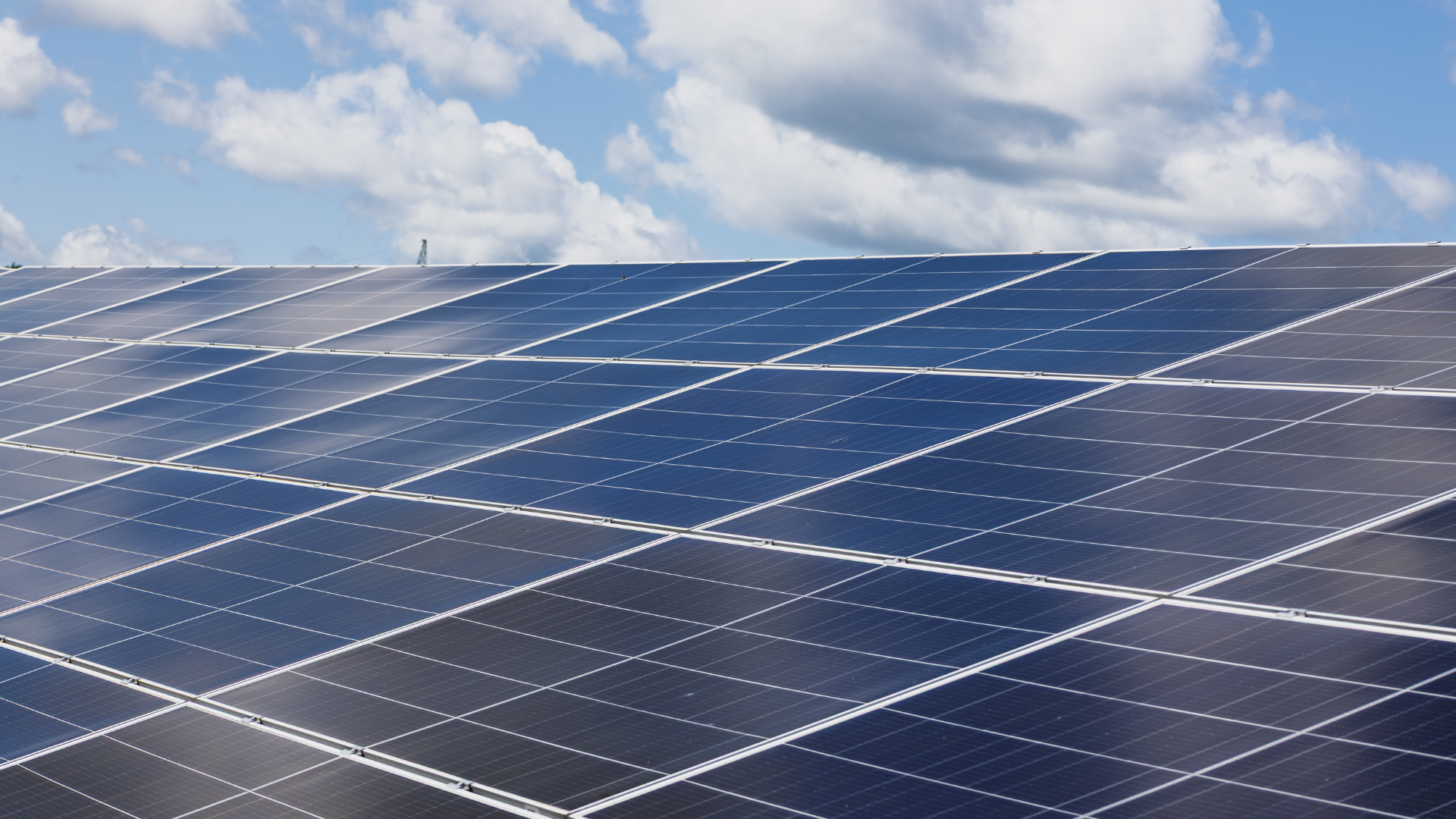
Ohio is home to one of the largest solar manufacturing operations in the Western Hemisphere.
- Thousands of jobs supported by solar manufacturing
- Billions of dollars invested in Ohio facilities
- A growing supply chain tied to advanced manufacturing
This is exactly the kind of industry Ohio should be leading.
The challenge: Policy decisions have made it harder to expand energy projects, limiting growth and driving up costs.
The solution:
- Protect domestic manufacturing from unfair competition
- Strengthen workforce training pipelines
- Support continued investment in research and innovation
This is about keeping high-paying jobs in Ohio and growing them.
—
2. Lower Energy Costs with Better Infrastructure
Closing the Storage Gap
Ohio has fallen far behind other states in energy storage – one of the key tools for lowering electricity costs.
- Other states have invested heavily in storage
- Ohio has barely begun building this infrastructure
Why it matters: Energy storage saves excess power and releases it when demand is high—reducing price spikes and lowering bills.
What this plan does:
- Invest in large-scale energy storage across Ohio
- Support a mix of technologies
- Pair new energy generation with storage
This is about lowering costs, not ideology.
—
3. Make Ohio Manufacturers More Competitive
Industrial Energy Efficiency (CHP)
Ohio manufacturers pay more for energy than many global competitors.
Combined Heat and Power (CHP) produces electricity and usable heat at the same time.
Benefits:
- Up to 30% lower energy costs
- More efficient fuel use
- Stronger industrial competitiveness
What this plan does:
- Restore federal incentives for CHP systems
- Support shared energy systems in industrial parks
- Reduce regulatory barriers
This gives Ohio manufacturers the same advantages their competitors already have.
—
4. Make Large Energy Users Pay Their Fair Share
Data Centers and Grid Impact
New industries, especially data centers, are driving massive energy demand.
The problem: Without clear rules, new large users can strain the grid and shift costs onto families and small businesses.
The solution:
- Require large users to contribute to grid upgrades
- Encourage investment in energy storage
- Ensure infrastructure costs aren’t passed to ratepayers
This protects Ohio families while supporting growth.
—
5. Protect Home Energy Independence
Rooftop Solar and Consumer Protection
Ohio families who invested in home energy systems made long-term financial decisions.
This plan:
- Protects federal tax credits for home energy systems
- Supports fair compensation for energy produced
- Expands access to energy efficiency improvements
This is about fairness and consumer protection.
—
6. Modernize the Grid
Ohio’s energy system needs to catch up to modern demand.
Key priorities:
- Faster approval of new energy projects
- Upgrading transmission infrastructure
- Supporting rural grid reliability
- Improving system resilience
A modern grid means:
- Lower costs
- More reliability
- Capacity for growth
—
How It All Works Together
This is a system:
- Lower costs through smarter infrastructure
- Stronger jobs through manufacturing and energy investment
- Fair rules so growth doesn’t come at the expense of families
—
The Bottom Line
Energy policy should be simple:
- Lower bills
- Better jobs
- A system that works
Ohio already has the foundation to lead.
We just need to use it.






2 Responses
Solar panel farms must be limited in how big they can be and too much valuable and irreplaceable. Farm Land is being gobble up. Also, the data centers are using up water and driving up electricity costs, and must be regulated! There is much not in my backyard when it comes to windmills and Solar and we need to be smart about making sure that we don’t shoot ourselves in the foot by making smaller scale infrastructure that is not objectionable to members of communities. There needs to be more covered parking lots since we don’t have enough trees in Ohio and it’s hot and humid with solar panels on top and rooftops should have solar panels instead of eating up farmland. Put solar panels on marginal land that is not being actively farmed and make windmills much smaller so that they are not hundreds of feet tall and required that they’d be made out of recyclable materials so that when they have to be replaced or repaired that they can be without being detriments to the environment.
I’m writing to express concern about the proposed SoftBank Group and American Electric Power data center project, specifically regarding its reliance on natural gas.
Expanding natural gas infrastructure for a new facility runs counter to long-term energy goals focused on sustainability, emissions reduction, and grid resilience. In addition, increased natural gas usage raises concerns about air pollution and environmental impact in the surrounding area, particularly for nearby communities.
While I understand the scale of energy required for modern data centers, building additional fossil fuel dependence into new infrastructure is a step backward when cleaner alternatives are increasingly viable.
I would strongly urge consideration of cleaner energy sources. Requiring a significant portion of the facility’s energy to come from renewable sources such as solar or wind would better align with broader environmental and economic goals. Additionally, nuclear energy offers a stable, low-emission option that could meet baseline demand without increasing carbon output.
I also believe it is important to consider the land use impact of a project of this scale. Large data centers require significant physical space and supporting infrastructure. Implementing appropriate land use taxes or impact fees would help ensure that the company contributes fairly to the long-term costs associated with land use, infrastructure strain, and environmental impact.
Finally, I have concerns regarding water usage and discharge. Data centers often rely on large-scale cooling systems, which can result in wastewater that contains elevated temperatures or chemical contaminants. There should be clear requirements to treat and remove harmful substances from any discharged water to ensure it does not negatively impact local water systems or ecosystems for any community where these data centers are established.
I recognize that renewable solutions may require additional land use or upfront investment, but those tradeoffs align with the direction energy development is moving. Designing this project with cleaner energy and responsible resource management from the outset would help avoid long-term environmental harm.
Would you be open to implementing requirements or incentives to prioritize renewable or low-emission energy sources, establish fair land use policies, and enforce strong water treatment standards for this project?